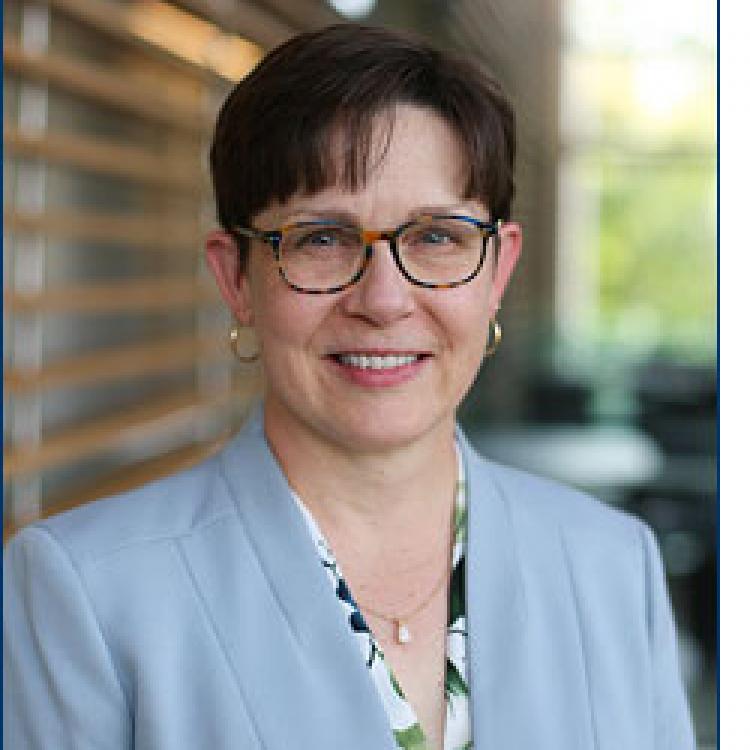
Welcome Message
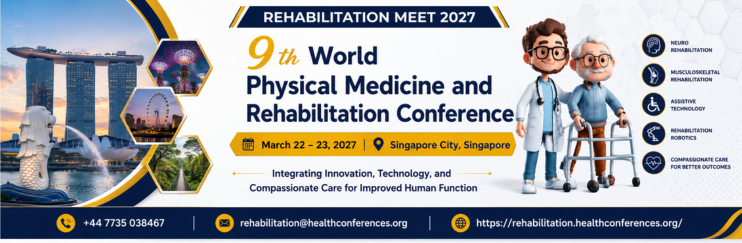
It is our great pleasure to warmly welcome you to the 9th World Physical Medicine and Rehabilitation Conference on March 22-23, 2027 at Singapore City, Singapore a distinguished global platform dedicated to advancing knowledge, innovation, and collaboration in the field of physical medicine and rehabilitation. “ Integrating Innovation, Technology, and Compassionate Care for Improved Human Function"This theme highlights the evolving landscape of physical medicine and rehabilitation, where scientific innovation, advanced technologies, and patient-centered approaches work together to restore function and independence. This conference brings together leading healthcare professionals, researchers, clinicians, academicians, therapists, and experts from around the world to exchange insights, explore emerging trends, and discuss transformative approaches that enhance patient care and rehabilitation outcomes.
Target Audience Include:
-
Physical Medicine and Rehabilitation Physicians (Physiatrists)
-
Physiotherapists and Physical Therapists
-
Occupational Therapists
-
Rehabilitation Nurses
-
Neurologists and Neurosurgeons
-
Orthopaedic Surgeons
-
Sports Medicine Physicians
-
Pain Management Specialists
-
Paediatric Rehabilitation Specialists
-
Geriatricians and Geriatric Rehabilitation Professionals
-
Cardiologists and Pulmonologists involved in rehabilitation
-
Prosthetists and Orthotists
-
Chiropractors and Manual Therapy Specialists
-
Exercise Physiologists and Sports Scientists
-
Rehabilitation Researchers and Scientists
-
Academicians, Professors, and University Faculty
-
Medical and Physiotherapy Students
-
Healthcare Administrators and Hospital Leaders
-
Rehabilitation Technology and Robotics Experts
-
Assistive Technology Developers
-
Digital Health and AI Professionals
-
Medical Device and Pharmaceutical Industry Professionals
-
Clinical Research Organizations
-
Healthcare Entrepreneurs and Investors
-
Representatives of Rehabilitation Associations and Professional Societies
-
Government and Public Health Professionals
-
Early-Career Researchers and Young Healthcare Professionals
-
International Delegates and Healthcare Industry Leaders
About the Conference
The 9th World Physical Medicine and Rehabilitation Conference is a premier international gathering that brings together healthcare professionals, researchers, clinicians, therapists, and experts from across the globe to share knowledge, explore innovations, and discuss advancements in rehabilitation medicine.“ Integrating Innovation, Technology, and Compassionate Care for Improved Human Function" The conference provides a dynamic platform for exchanging scientific insights, presenting emerging research, and highlighting evidence-based approaches that improve functional recovery, patient care, and quality of life.
Key Features of the Conference
-
International Expert Participation: Learn from renowned specialists, researchers, and healthcare professionals sharing their expertise and experiences from across the globe.
-
Advanced Scientific Sessions: Explore the latest developments, innovative techniques, and research breakthroughs in physical medicine and rehabilitation.
-
Interactive Knowledge Exchange: Participate in meaningful discussions, panel sessions, and presentations that encourage collaboration and professional growth.
-
Research and Innovation Showcase: Discover new ideas, technologies, and therapeutic approaches contributing to the advancement of rehabilitation care.
-
Global Networking Opportunities: Connect with professionals, institutions, and experts to build valuable academic and professional relationships.
-
Recognition of Participation: Receive an official Certificate of Participation as recognition of your valuable contribution and involvement in this international scientific event.
Benefits of Attending the Conference
-
Enhance your understanding of current trends and future directions in physical medicine and rehabilitation.Gain practical knowledge that can support improved clinical practices and patient-centered care.
-
Stay updated with emerging technologies, treatment approaches, and research developments.Expand your professional network through interactions with global experts and peers.
-
Develop opportunities for future collaborations, research partnerships, and academic exchange.Strengthen your professional profile with participation in a recognized international conference and a certificate acknowledging your engagement.
We invite you to be a part of this remarkable gathering of minds committed to improving rehabilitation science and healthcare. Your presence and participation will contribute to meaningful discussions, shared learning, and collective efforts toward creating a healthier and more accessible future for individuals worldwide.
Abstract Submission Guidelines – REHABILITATION MEET 2027
Submit abstracts through the ABSTRACT SUBMISSION portal.
Abstracts must be written in English (250–300 words) and accompanied by a 100–120-word presenter biography.
Abstract submissions are welcome in all rehabilitation-related fields, including neurorehabilitation, musculoskeletal rehabilitation, pain medicine, pediatric rehabilitation, geriatric rehabilitation, sports medicine, cardiopulmonary rehabilitation, rehabilitation robotics, assistive technology, occupational therapy, rehabilitation nursing, cognitive rehabilitation, community-based rehabilitation, tele-rehabilitation, digital health, regenerative rehabilitation, oncology rehabilitation, women's health rehabilitation, and other related disciplines.
Presenting authors should provide:
-
Full Name
-
Institutional Affiliation
-
Country
-
Phone Number
-
Email Address
-
Photograph
Co-authors should provide their full names and institutional affiliations.
All submissions will undergo peer review by the REHABILITATION MEET 2027 Scientific Review Committee. Accepted presenters must complete conference registration and pay the applicable registration fee. Please ensure all submitted information is accurate, as it will appear exactly as provided in the conference program and proceedings. Complete your registration using the Online Registration link.
Visa Guidelines – REHABILITATION MEET 2027
The organizing committee does not process visa applications but can provide supporting documents, including:
-
Letter of Invitation
-
Letter of Abstract Acceptance
-
Registration Payment Receipt
Official invitation letters will be issued only after successful registration.
Participants may be required to submit:
-
Passport Copy
-
Date of Birth
-
Residential Address
-
Mobile Number
-
Photograph
Sessions and Tracks
Neurorehabilitation focuses on restoring movement, cognition, communication, and independence in individuals affected by neurological disorders and injuries. This topic explores innovative therapeutic strategies that promote neuroplasticity and improve long-term functional outcomes following stroke, traumatic brain injury, spinal cord injury, Parkinson's disease, multiple sclerosis, and other neurological conditions. Discussions will highlight interdisciplinary rehabilitation models, advanced assessment techniques, robotic-assisted therapies, and personalized treatment approaches that support recovery and enhance quality of life. Emphasis will also be placed on integrating emerging technologies with evidence-based clinical practice to maximize patient potential and community participation.
-
Stroke and brain injury rehabilitation
-
Spinal cord injury management
-
Neuroplasticity and functional restoration
Musculoskeletal rehabilitation plays a vital role in restoring movement, reducing pain, and improving physical function following orthopedic injuries, surgeries, and chronic musculoskeletal disorders. This topic covers evidence-based rehabilitation techniques including therapeutic exercise, manual therapy, movement analysis, and functional training. Participants will explore innovative rehabilitation protocols for joint replacement, fracture recovery, arthritis management, and soft tissue injuries while examining strategies that enhance mobility, strength, flexibility, and long-term musculoskeletal health. The importance of individualized rehabilitation planning and patient education will also be discussed.
-
Orthopedic rehabilitation
-
Sports injury recovery
-
Exercise-based interventions
Effective pain management is fundamental to successful rehabilitation and improved patient outcomes. This topic examines multidisciplinary approaches for assessing and managing acute, chronic, and neuropathic pain using pharmacological and non-pharmacological interventions. Discussions will include interventional pain procedures, physical therapies, psychological support, lifestyle modifications, and integrative rehabilitation techniques. Participants will gain insights into comprehensive pain management strategies that reduce disability, restore function, and improve the overall quality of life for individuals living with persistent pain conditions.
Pediatric rehabilitation is dedicated to supporting the physical, cognitive, and developmental needs of infants, children, and adolescents with congenital or acquired disabilities. This topic explores early intervention programs, family-centered rehabilitation, developmental therapies, and innovative treatment approaches that encourage functional independence and participation in everyday activities. Presentations will highlight multidisciplinary care for cerebral palsy, developmental disorders, neuromuscular diseases, and childhood injuries while emphasizing the importance of collaborative healthcare in achieving lifelong positive outcomes.
-
Cerebral palsy rehabilitation
-
Developmental disabilities
-
Pediatric assistive technologies
With the global rise in the aging population, geriatric rehabilitation has become increasingly important in promoting independence and healthy aging. This topic focuses on comprehensive rehabilitation strategies that address age-related functional decline, frailty, falls, osteoporosis, balance disorders, and chronic diseases. Discussions will emphasize individualized exercise programs, multidisciplinary care, cognitive health, nutritional support, and preventive rehabilitation measures designed to improve mobility, reduce disability, and enhance overall well-being among older adults.
-
Frailty prevention
-
Fall prevention strategies
-
Functional independence in older adults
Sports rehabilitation combines clinical expertise with performance science to facilitate safe recovery from athletic injuries while optimizing physical performance. This topic explores injury prevention, rehabilitation following ligament, tendon, muscle, and joint injuries, return-to-play decision-making, and sports-specific conditioning. Participants will examine evidence-based rehabilitation protocols, biomechanical assessments, performance monitoring, and emerging technologies that support athletes at recreational and professional levels in achieving safe and effective recovery.
Cardiopulmonary rehabilitation enhances physical capacity, respiratory function, and cardiovascular health through structured exercise, education, and comprehensive lifestyle interventions. This topic examines rehabilitation strategies for individuals recovering from cardiac surgery, heart failure, chronic obstructive pulmonary disease, pulmonary fibrosis, and other cardiopulmonary disorders. Sessions will discuss exercise prescription, patient monitoring, risk reduction, nutritional guidance, and multidisciplinary care aimed at improving endurance, reducing hospital readmissions, and promoting long-term health outcomes.
-
Cardiac rehabilitation
-
Pulmonary rehabilitation
-
Exercise prescription
Technological innovation is transforming rehabilitation practice by improving precision, accessibility, and patient engagement. This topic explores the application of robotic-assisted therapy, intelligent prosthetics, wearable technologies, powered exoskeletons, smart orthotic devices, and adaptive assistive equipment in rehabilitation settings. Discussions will focus on integrating these technologies into clinical practice, enhancing functional recovery, supporting independent living, and improving rehabilitation outcomes across neurological, orthopedic, and pediatric populations. Future directions in intelligent rehabilitation systems and personalized assistive technologies will also be explored.
-
Robotic-assisted therapy
-
Smart prosthetics and orthotics
-
Wearable rehabilitation devices
Assistive technologies, prosthetics, and orthotics play a critical role in improving mobility, independence, and participation for individuals with physical disabilities. This session will explore the latest advancements in prosthetic limbs, orthotic devices, adaptive equipment, and customized mobility solutions. Experts will discuss patient assessment, device prescription, fitting, and rehabilitation strategies that optimize functional outcomes. Presentations will highlight innovations in 3D printing, smart prosthetics, sensor-enabled orthoses, and myoelectric technologies. Participants will gain insights into gait analysis, biomechanical optimization, and long-term device management across different patient populations. Discussions will also focus on user-centered design, accessibility, affordability, and personalized rehabilitation planning. Clinical evidence supporting assistive technology integration into rehabilitation practice will be reviewed. The session aims to promote innovative solutions that enhance mobility, independence, and overall quality of life.
Occupational therapy empowers individuals to regain independence and participate in meaningful daily activities following illness, injury, or disability. This session will explore evidence-based interventions that improve self-care, productivity, education, work participation, and community engagement. Experts will discuss adaptive strategies, cognitive rehabilitation, environmental modifications, and assistive technologies that support functional performance. Presentations will highlight individualized treatment planning across neurological, orthopedic, pediatric, geriatric, and mental health rehabilitation settings. Participants will examine innovative approaches that promote independence while addressing physical, cognitive, and psychosocial challenges. Discussions will also emphasize patient-centered care, family involvement, and interdisciplinary collaboration. Emerging technologies and digital tools supporting occupational therapy practice will be presented. The session aims to advance functional rehabilitation and improve participation across all stages of life.
-
Activities of daily living (ADL) training
-
Cognitive rehabilitation
-
Home and workplace modifications
Rehabilitation nursing is an integral component of comprehensive rehabilitation, supporting patients throughout recovery and long-term functional management. This session will explore collaborative care models that integrate physicians, nurses, therapists, psychologists, and other healthcare professionals. Experts will discuss patient education, prevention of secondary complications, medication management, wound care, and discharge planning. Presentations will highlight evidence-based nursing interventions that promote recovery, independence, and patient safety. Participants will examine strategies for coordinated care, transitional rehabilitation, and community reintegration. Discussions will also address communication, leadership, ethical considerations, and quality improvement in rehabilitation services. Innovative care delivery models and patient-centered approaches will be showcased. The session aims to strengthen interdisciplinary collaboration for improved rehabilitation outcomes and enhanced quality of care.
-
Multidisciplinary rehabilitation
-
Patient education
-
Transitional care and discharge planning
Cognitive rehabilitation and mental health interventions are essential for improving functional outcomes in individuals with neurological, psychiatric, and cognitive disorders. This session will explore rehabilitation approaches targeting memory, attention, executive functioning, communication, emotional regulation, and psychological well-being. Experts will discuss evidence-based cognitive therapies, behavioral interventions, and psychosocial support strategies that facilitate recovery. Presentations will highlight rehabilitation for stroke, traumatic brain injury, dementia, and other cognitive impairments. Participants will gain insights into neuropsychological assessment, digital cognitive training, and multidisciplinary mental health care. Discussions will also examine resilience, coping strategies, caregiver support, and community participation. Emerging technologies, including virtual reality and computerized cognitive rehabilitation, will be featured. The session aims to promote holistic rehabilitation that addresses both cognitive function and emotional health.
-
Cognitive rehabilitation
-
Psychological interventions
-
Mental health in rehabilitation
Community-based rehabilitation promotes equal opportunities, social inclusion, and independent living for individuals with disabilities across diverse communities. This session will examine strategies that integrate healthcare, education, employment, social services, and policy initiatives to improve participation and quality of life. Experts will discuss inclusive rehabilitation models that empower individuals, families, and communities through collaborative partnerships. Presentations will highlight vocational rehabilitation, accessible environments, disability rights, and community engagement programs. Participants will explore sustainable rehabilitation services that address health disparities and improve access to care. Discussions will also focus on cultural competence, advocacy, public health approaches, and inclusive policy development. Successful community rehabilitation programs and international best practices will be showcased. The session aims to strengthen disability inclusion and promote equitable rehabilitation services worldwide.
-
Community rehabilitation
-
Disability inclusion
-
Vocational rehabilitation
Digital health technologies are transforming rehabilitation by improving accessibility, personalization, and continuity of care across healthcare settings. This session will explore tele-rehabilitation platforms, artificial intelligence, wearable sensors, mobile health applications, and remote patient monitoring systems. Experts will discuss how digital innovations support clinical decision-making, patient engagement, and real-time functional assessment. Presentations will highlight virtual rehabilitation programs, predictive analytics, and AI-assisted treatment planning for neurological, musculoskeletal, and cardiopulmonary conditions. Participants will examine evidence supporting digital rehabilitation in hospital, outpatient, and home-based environments. Discussions will address implementation challenges, cybersecurity, ethical considerations, and health data management. Emerging trends in digital therapeutics and intelligent rehabilitation systems will also be explored. The session aims to bridge technology with evidence-based practice to improve rehabilitation outcomes and healthcare delivery.
-
Tele-rehabilitation
-
Artificial intelligence in rehabilitation
-
Digital health technologies
Rehabilitation research provides the scientific foundation for developing effective interventions and improving clinical practice. This session will explore innovative research methodologies, clinical trials, implementation science, and translational research in rehabilitation medicine. Experts will discuss standardized outcome measures, patient-reported outcome instruments, functional assessment tools, and quality-of-life evaluation methods. Presentations will highlight advances in data analytics, rehabilitation registries, and evidence synthesis to support clinical decision-making. Participants will examine best practices for designing, conducting, and reporting rehabilitation research across diverse populations. Discussions will also focus on healthcare quality improvement, knowledge translation, and evidence-based policy development. Emerging trends in precision rehabilitation and outcomes research will be presented. The session aims to strengthen research capacity and promote high-quality evidence for rehabilitation practice.
-
Clinical rehabilitation research
-
Outcome assessment
-
Evidence-based practice
Women's health rehabilitation addresses the unique physical and functional needs of women throughout different stages of life. This session will explore evidence-based rehabilitation for pelvic floor dysfunction, pregnancy-related musculoskeletal disorders, postpartum recovery, urinary incontinence, pelvic pain, and menopause-related conditions. Experts will discuss comprehensive assessment techniques, therapeutic exercise, manual therapy, and lifestyle interventions that improve pelvic health and functional outcomes. Presentations will highlight multidisciplinary care involving physiotherapists, gynecologists, urologists, and rehabilitation specialists. Participants will gain insights into preventive strategies, patient education, and individualized treatment planning. Discussions will also examine advances in biofeedback, electrical stimulation, and digital pelvic health technologies. Emerging research and clinical guidelines supporting women's rehabilitation will be reviewed. The session aims to enhance clinical practice and improve health, function, and quality of life for women across the lifespan.
-
Pelvic floor dysfunction
-
Prenatal and postpartum rehabilitation
-
Women's musculoskeletal health
Oncology rehabilitation focuses on improving physical function, symptom management, and quality of life for individuals throughout the cancer care continuum. This session will explore rehabilitation interventions before, during, and after cancer treatment to address fatigue, pain, lymphedema, mobility limitations, cognitive impairment, and functional decline. Experts will discuss individualized exercise programs, nutritional support, psychosocial care, and multidisciplinary rehabilitation approaches for cancer survivors. Presentations will highlight rehabilitation strategies that promote independence, reduce treatment-related complications, and support return to daily activities. Participants will examine evidence-based practices in exercise oncology, palliative rehabilitation, and survivorship care planning. Discussions will also explore emerging technologies, tele-rehabilitation, and patient-reported outcome measures in cancer rehabilitation. Current research and clinical innovations aimed at optimizing long-term recovery will be presented. The session aims to integrate rehabilitation into comprehensive cancer care to enhance patient outcomes and well-being.
-
Cancer survivorship rehabilitation
-
Lymphedema management
-
Exercise oncology
Regenerative rehabilitation is an emerging field that combines rehabilitation science with regenerative medicine to enhance tissue repair and functional recovery. This session will explore the integration of stem cell therapies, tissue engineering, biomaterials, biologics, and rehabilitation interventions for musculoskeletal, neurological, and connective tissue disorders. Experts will discuss the biological mechanisms underlying tissue regeneration and the role of therapeutic exercise in optimizing healing outcomes. Presentations will highlight advances in biomaterials, scaffold technologies, regenerative therapies, and personalized rehabilitation protocols. Participants will examine translational research, clinical applications, and outcome evaluation in regenerative rehabilitation. Discussions will also address ethical considerations, regulatory challenges, and future directions in regenerative medicine. Emerging evidence supporting interdisciplinary collaboration between rehabilitation professionals and biomedical researchers will be showcased. The session aims to advance innovative therapies that restore function and improve long-term patient outcomes.
-
Regenerative medicine
-
Stem cell rehabilitation
-
Tissue engineering
Market Analysis
The global rehabilitation market is experiencing substantial growth, driven by the increasing prevalence of neurological disorders, musculoskeletal conditions, sports injuries, chronic diseases, and the rapidly expanding geriatric population. The growing emphasis on restoring functional independence, improving quality of life, and reducing long-term healthcare costs has significantly increased the demand for comprehensive rehabilitation services worldwide. Technological innovations such as rehabilitation robotics, virtual reality, wearable rehabilitation devices, tele-rehabilitation, artificial intelligence, and smart prosthetics are further accelerating market growth. Increasing healthcare expenditure and favorable across developed and emerging economies.
Global Rehabilitation Market Growth (2024–2033)
The global medical rehabilitation services market was valued at approximately USD 269.9 billion in 2024 and is projected to reach USD 492.5 billion by 2033, expanding at a compound annual growth rate (CAGR) of approximately 6.2% during the forecast period. The increasing incidence of stroke, traumatic brain injury, spinal cord injury, musculoskeletal disorders, cardiovascular diseases, and chronic disabilities continues to fuel demand for rehabilitation services worldwide. Rapid technological advancements in robotic-assisted rehabilitation, digital therapeutics, wearable technologies, and personalized rehabilitation programs are transforming clinical practice and improving patient outcomes. North America currently dominates the global market, while the Asia-Pacific region is expected to witness the fastest growth due to expanding healthcare infrastructure, increasing healthcare investments, and rising awareness of rehabilitation services.

Key Drivers of Market Growth by 2033
Several factors are expected to drive the rehabilitation market through 2033, including:
Greater adoption of robotic-assisted therapy, virtual reality, wearable rehabilitation devices, and AI-driven rehabilitation solutions.Expansion of tele-rehabilitation, which is itself projected to grow from USD 5.3 billion in 2024 to USD 11.8 billion by 2030, at a CAGR of 13.2%.The rehabilitation equipment market was valued at USD 16.9 billion in 2024 and is expected to reach USD 27.3 billion by 2030, growing at a CAGR of 8.3%, reflecting strong demand for advanced rehabilitation technologies.Increasing investments in rehabilitation hospitals, outpatient rehabilitation centers, home healthcare, and digital health platforms.Government initiatives promoting disability inclusion, healthy aging, and improved access to rehabilitation services.
Participation and Presentation
Oral Presentation
Oral presentations at REHABILITATION MEET 2027 are open to research-based, clinical, educational, theoretical, and professional topics related to Physical Medicine & Rehabilitation, Physiotherapy, Occupational Therapy, Sports Rehabilitation, Neurorehabilitation, Pain Medicine, and Assistive Technologies. Physicians, physiatrists, physiotherapists, occupational therapists, rehabilitation nurses, researchers, academicians, and healthcare professionals are invited to present their latest research findings, clinical experiences, innovative therapeutic approaches, and evidence-based rehabilitation practices to an international audience.
Speaker Slot: 30 minutes total (20–25 minutes presentation + moderated Q&A)
Keynote Slot: 40–45 minutes with additional discussion time
Workshop Presentation
Workshops at REHABILITATION MEET 2027 will focus on advanced rehabilitation techniques, hands-on clinical practice, functional assessment, therapeutic exercise, rehabilitation robotics, assistive technologies, digital rehabilitation, movement analysis, and multidisciplinary rehabilitation strategies.
Duration: 45–50 minutes
Interactive workshops, practical demonstrations, and interdisciplinary team presentations are encouraged to promote skill development, knowledge exchange, and collaborative learning.
Poster Presentation
The Poster Competition at REHABILITATION MEET 2027 provides an outstanding opportunity for students, clinicians, researchers, rehabilitation professionals, and early-career investigators to present original research, innovative clinical practices, and emerging rehabilitation technologies.
Presentation Time: 5–7 minutes including Q&A
This competition provides international visibility, valuable scientific feedback, networking opportunities, and collaboration with leading rehabilitation professionals.
Webinar Presentation
For participants who are unable to attend in person, REHABILITATION MEET 2027 offers webinar presentation opportunities. Accepted presenters may submit pre-recorded presentations that will be featured in the official virtual scientific sessions, enabling worldwide participation and knowledge sharing.
E-Poster Presentation
E-Posters will be displayed on the REHABILITATION MEET 2027 virtual conference platform. Accepted abstracts will be published in the conference proceedings and may be considered for publication in relevant scientific journals with indexing opportunities.
Exhibition – REHABILITATION MEET 2027
The Exhibition Pavilion at REHABILITATION MEET 2027 offers organizations an excellent opportunity to showcase the latest innovations in rehabilitation medicine, physiotherapy, assistive technologies, rehabilitation robotics, medical devices, digital healthcare, mobility solutions, and clinical services.
Exhibitors Include:
-
Rehabilitation Equipment Manufacturers
-
Physiotherapy and Occupational Therapy Companies
-
Rehabilitation Robotics and Exoskeleton Developers
-
Prosthetics and Orthotics Manufacturers
-
Wearable Rehabilitation Technology Providers
-
Digital Health and AI Healthcare Companies
-
Hospitals and Rehabilitation Centers
-
Pharmaceutical and Biotechnology Companies
-
Medical Device Manufacturers
-
Academic and Research Institutions
-
Healthcare Organizations
-
Industry Professionals and Business Delegates
The exhibition provides opportunities to demonstrate innovative technologies, establish strategic partnerships, strengthen business relationships, expand professional networks, and increase global visibility within the rehabilitation community.
For exhibition inquiries: meevents@memeetings.com
Advertisement
Advertising in the REHABILITATION MEET 2027 program guide provides long-term visibility among rehabilitation physicians, physiotherapists, occupational therapists, researchers, clinicians, academicians, healthcare leaders, and industry professionals.
For advertisement opportunities and pricing, contact: meevents@memeetings.com
Sponsorship
Become a premium sponsor of REHABILITATION MEET 2027 and benefit from extensive branding opportunities, scientific recognition, exhibition privileges, networking events, and direct engagement with leading rehabilitation professionals from around the world.
Communication Instructions
Please whitelist meevents@memeetings.com.If you do not receive a confirmation within 48 hours of registration or inquiry, please contact the conference coordinator.Please check your spam/junk folder before reaching out.
Group Registration Discounts
REHABILITATION MEET 2027 offers discounted registration packages for institutional groups and professional teams.Please email the registration team for eligibility requirements and pricing details.
Important Registration Information
To ensure smooth communication:
-
Include your mobile number in both your registration and abstract submission forms.
-
This enables prompt communication regarding conference updates, presentation schedules, and registration inquiries.
For general inquiries regarding REHABILITATION MEET 2027, contact meevents@memeetings.com.
Past Conference
The 6th Annual International Conference on Rehabilitation Medicine and Physical Therapy (REHABILITATION 2026) was successfully held on August 20–21, 2026, in Paris, France, bringing together physiatrists, physiotherapists, occupational therapists, rehabilitation nurses, sports medicine specialists, researchers, academicians, clinicians, healthcare professionals, and industry leaders from around the world. The conference featured inspiring keynote lectures, scientific oral presentations, poster sessions, workshops, panel discussions, and networking events covering neurorehabilitation, musculoskeletal rehabilitation, sports medicine, pain management, pediatric rehabilitation, geriatric care, cardiopulmonary rehabilitation, rehabilitation robotics, assistive technologies, digital health, and emerging rehabilitation research. The scientific program fostered interdisciplinary collaboration, promoted the exchange of innovative research and clinical practices, and highlighted the latest technological advancements shaping the future of rehabilitation medicine. Guided by the mission "To Collaborate Scientific Professionals Around the World," the conference successfully strengthened international partnerships, encouraged knowledge sharing, and advanced global efforts to improve rehabilitation outcomes and enhance quality of life for individuals across diverse healthcare settings.